A cultural research into the opposite signifiance of this adjectives
Showing posts with label Geography. Show all posts

Wednesday, January 26, 2011

Groundwater

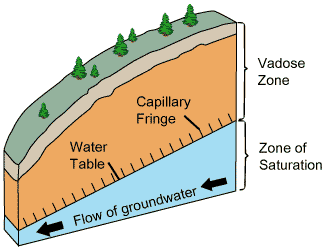
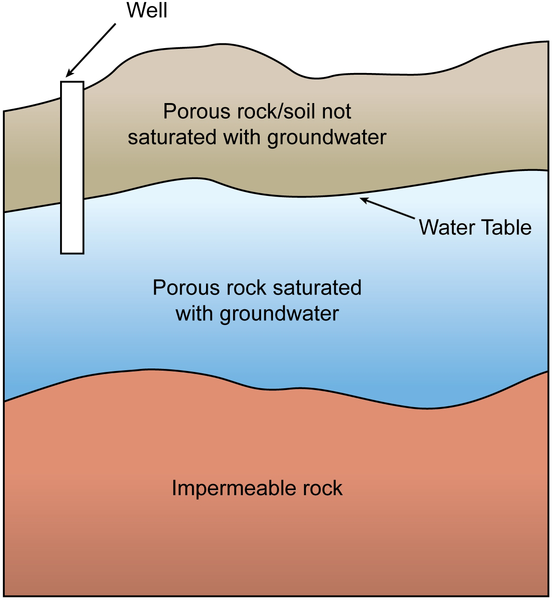
Groundwater is water located beneath the ground surface in soil pore spaces and in the fractures of rock formations. A unit of rock or an unconsolidated deposit is called an aquifer when it can yield a usable quantity of water. Groundwater is recharged from the surface naturally; natural discharge often occurs at springs and seeps, and can form oases or wetlands.
Groundwater aren't confined only to the Earth: some landforms observed on Mars may have been influenced by groundwater.
Probable groundwater on Mars

Confined Aquifer

An aquifer is a layer of soft rock, like limestone or sandstone, that absorbs water from an inlet path. Porous stone is confined between impermeable rocks or clay. This keeps the pressure high, so when the water finds an outlet,it overcomes gravity and goes up instead of down without the need for pumping. In this case is the presence of an artesian well.
The Great Artesian Basin is the largest and deepest artesian basin in the world, occupying 23% of the Australian continent.
Great Artesian Basin

Infiltration Rate

Infiltration is the process by which water on the ground surface enters the soil. Infiltration rate in soil science is a measure of the rate at which soil is able to absorb rainfall or irrigation. It is measured in inches per hour or millimeters per hour. The rate decreases as the soil becomes saturated. If the precipitation rate exceeds the infiltration rate, runoff will usually occur unless there is some physical barrier. It is related to the saturated hydraulic conductivity of the near-surface soil. The rate of infiltration can be measured using an infiltrometer.
Double Ring Infiltrometer
PATENT: Automatic Recording Infiltrometer, Almond D. Bull, 1949


Suez Canal

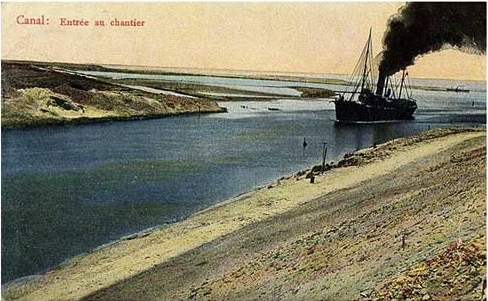
Sometimes what appears to be impermeable, can suddenly become permeable. The opening of the Suez Canal in 1869 created the first salt-water passage between the Mediterranean and Red seas. It allows water transportation between Europe and Asia without navigating around Africa, through an artificial sea-level waterway in Egypt. It contains no locks: seawater flows freely through the canal. In general, the Canal north of the Bitter Lakes flows north in winter and south in summer.
Air view of whole Suez canal

Tuesday, November 2, 2010

Lagoon

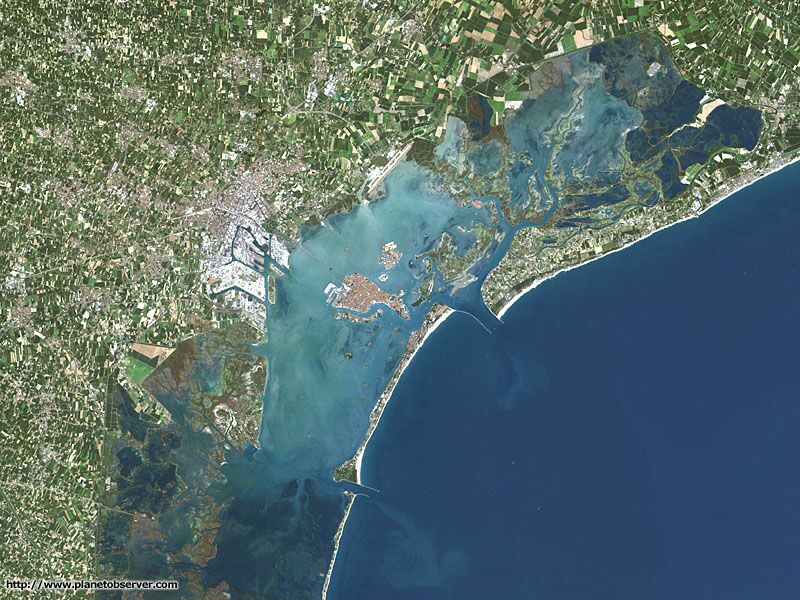
Venice lagoon
Lagoon refers to the body of comparatively shallow salt or brackish water separated from the deeper sea by a shallow or exposed barrier beach,sandbank of marine origin, coral reef, or similar feature.

It is porous, because of the direct contact with surrounding sea, but develops an independent habitat, which can be considered waterproof.